How AI Claim Scrubbing Works in Medical Billing Software
Live payer rules catch denials that static scrubbers miss entirely.

Claim scrubbing is the automated check every claim goes through before it reaches a payer: a review of codes, modifiers, and patient data built to catch what would otherwise come back as a denial. AI scrubbing does the same job but against live payer rules instead of a fixed list, and it gets sharper the more claims it processes. That distinction, live versus static, separates a tool that actually cuts denials from one that just adds a step to the workflow. Most practices are paying for the second kind while believing they bought the first.
Clean claims still get denied after scrubbing because most scrubbing tools run against a fixed policy library that was current as of its last update, not as of today. Payers change coverage edits, modifier requirements, and medical necessity criteria on a schedule that has nothing to do with a software vendor's release cycle, so a claim can pass every rule the scrubber knows about and still violate a policy the scrubber has never seen. The gap between when a payer changes a rule and when a static scrubber's library catches up is exactly where clean-looking claims become denials. A tool that only asks whether the claim breaks a rule already written down cannot catch a payer behavior pattern that hasn't been formally published yet, and those unpublished patterns are a significant part of where denials actually originate.
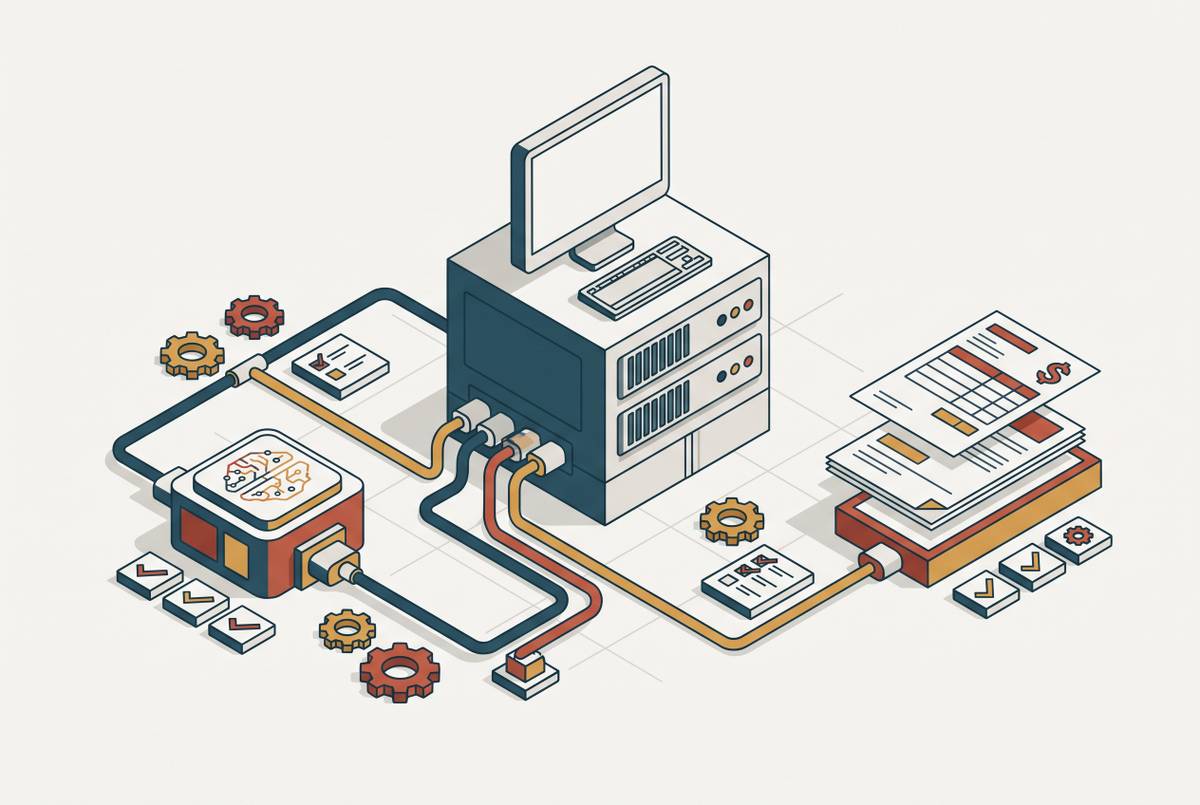
Scrubbing checks what's already on the claim, the codes, the NDC entries, the eligibility data, the prior auth reference number, against what the payer says it will accept, and flags anything that doesn't line up before submission. It differs from coding in one key way: it doesn't choose or change a CPT code, a modifier, or a diagnosis; a biller or the system fixes what got flagged. Traditional scrubbers run this check against a fixed policy library loaded into the software. A claim that breaks one of those rules gets caught, but if the rule itself is stale, nothing happens, and the claim goes out looking clean when it isn't.
Why do clean claims still get denied even when payer policies shift without notice?
Payers change policy constantly. Coverage edits, modifier requirements, medical necessity criteria, prior auth thresholds: all of it moves on a schedule that has nothing to do with when a practice's scrubbing software last refreshed its library. A static scrubber only knows what it was told at its last update, and everything the payer changed after that stays invisible until someone manually rewrites the rule set, which might happen weeks or months later.
That gap, the space between a payer changing a policy and the scrubber's library catching up, is exactly where clean-looking claims turn into denials. Most of what falls through isn't even complicated. The American Medical Association's 2023 Physician Practice Benchmark Survey found demographic and technical errors account for 61% of all claim denials: wrong date of birth, an outdated insurance ID, a missing prior authorization number. None of that requires sophisticated detection. It requires a policy check that's current as of today, and a tool updated only on its last software patch cannot offer that.
Practices aren't making new kinds of mistakes. The policies checking those claims are what's moving, and a scrubber running on last quarter's rules cannot see that shift happen.
The three things AI scrubbing does that a static tool cannot
AI scrubbing splits from static tools in three specific ways, and each one covers a failure mode a fixed rule library was never built to catch. The one vendors lead with, live policy tracking, is also the most overrated of the three. It matters, but it's the floor, not the differentiator.
Live policy tracking means an AI scrubber pulls in payer policy changes as payers publish them and checks every claim against the current version, rather than loading a fixed rule library and waiting for the next scheduled release. A policy change published on a Tuesday should show up in scrubbing by Wednesday, not at the next quarterly update.
The layer that actually separates the field is pattern-based denial prediction. A static tool asks one question: does this claim break a rule that's already written down? AI scrubbing asks a harder one: does this combination of codes, modifiers, and payer, based on thousands of previously processed claims, tend to produce a denial, even when no formal rule has technically been broken? Say a modifier pairing a specific payer started rejecting three months ago. That shows up as a pattern in the denial data well before the payer ever publishes an official update. The rule isn't written down anywhere; the behavior is real regardless, and pattern analysis catches it before the paperwork does.
The third is medical necessity mismatch detection, which uses natural language processing to read the actual content of a clinical note against a payer's published medical necessity criteria for the billed service. That matters more than it used to. Kodiak Solutions data shows prior auth denials fell 7.7% in 2024 even as overall denial rates rose, because medical necessity denials and requests for additional information filled the gap, climbing 5% and 5.4% respectively. Scrubbing aimed at documentation gaps is aimed at exactly where the denial problem relocated.
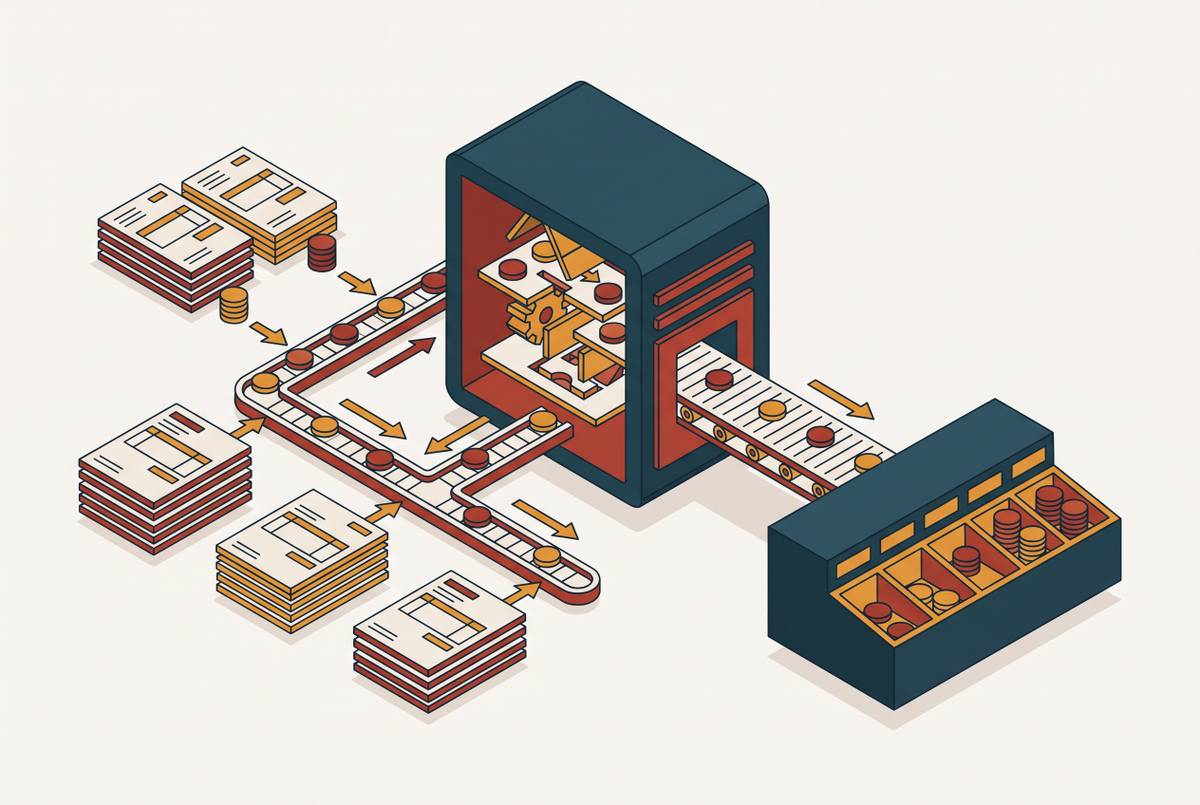
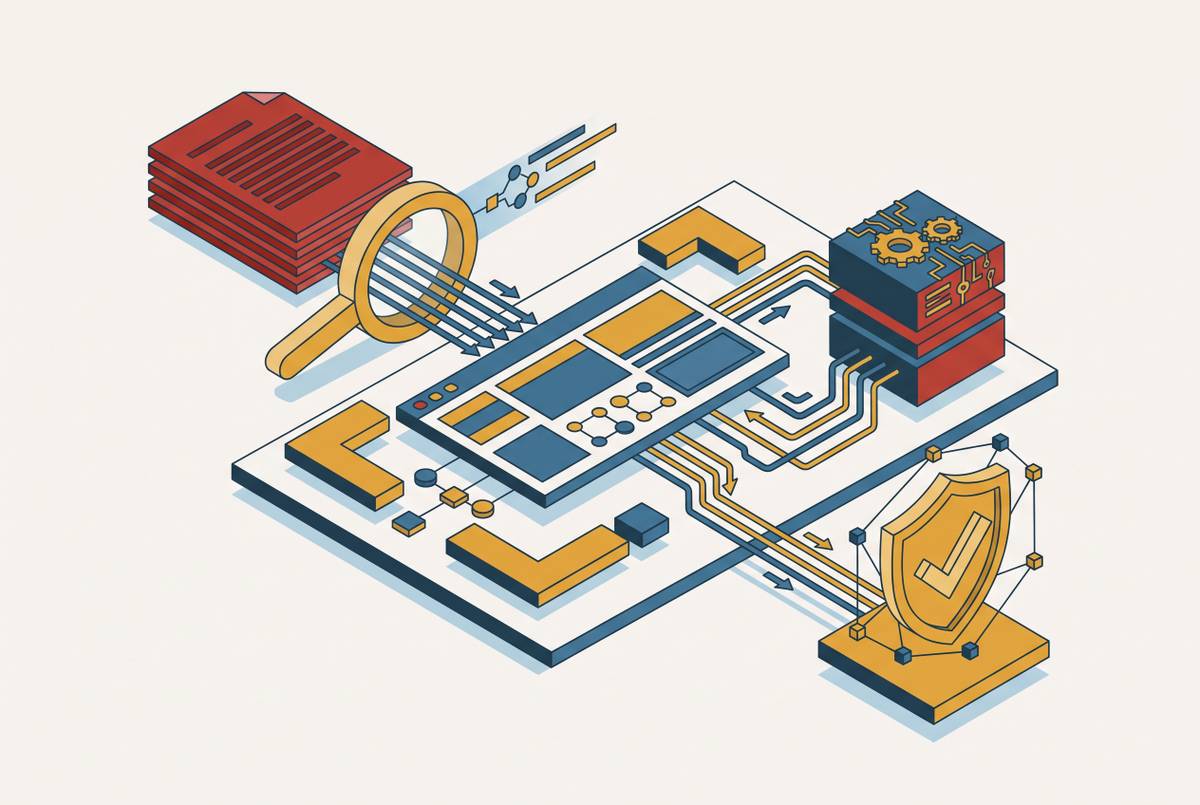
These three layers run in sequence on each claim: live policy first, then pattern analysis, then documentation review. Each one catches what the other two would let through.
What the denial numbers look like when scrubbing falls short
The trend line isn't subtle. OS Healthcare data shows the initial denial rate hit 11.8% in 2024, up from 10.2% a few years earlier.
Every denied claim costs something to fix, somewhere between $25 and $118 in rework, plus staff hours pulled off other work. A lot of that rework never happens at all. HFMA data puts the figure at up to 65% of denied claims that never get reworked; they're written off, and the practice eats the loss outright. That's the number that should worry a practice more than the denial rate itself. Most denied claims just die there.
The dollar value climbing through those denials matters as much as the count. Among MDaudit's network, the average denied amount for a Medicare Advantage claim rose 22.4% in 2025, landing around $1,000, while telehealth-related denial amounts climbed even faster, up 84%. A scrubber catching 80% of preventable denials sounds close enough to one catching 95%, until that gap gets multiplied across a thousand-dollar Medicare Advantage claim, month after month. At that point it isn't a rounding error. It's money walking out the door, and the practices treating scrubbing as a commodity feature are the ones absorbing it.
The clean claim rate: what good scrubbing actually produces
Clean claim rate is the number that matters most here: the share of claims paid on first submission, no rejection, no denial, no request for more information. HFMA sets the benchmark for high-performing billing operations at 98%, with 95% as the floor for what counts as consistently strong.
Most independent and small-to-mid practices land nowhere near that. The typical range sits between 75% and 85%, and the ten to twenty points separating that from benchmark aren't abstract. Every point below 95% is a stack of claims that each cost $25 to $118 to fix, or get abandoned outright.
Closing that gap has less to do with hiring better coders than with catching, faster, the same errors that were always preventable: demographic mistakes, a stale policy reference, a modifier conflict, a missing authorization number. Closing that gap is the entire argument for scrubbing done right, and practices that have moved toward AI-assisted billing report clean claim rates trending toward that 95% benchmark. A practice that doesn't track its rate in real time has no way to know whether the system caught the problem or just let it through quietly, and plenty of practices run scrubbing software today without ever pulling that number.
How payer-specific memory changes what AI scrubbing can catch over time
A static tool treats every claim the same regardless of which payer it's headed to. AI scrubbing builds a running model of how each individual payer actually behaves, claim after claim, and that's the part a rule library can never replicate. This layer gets underrated because it doesn't show up on a feature list. It only shows up in the denial rate six months in.
Payer A, for instance, might consistently deny a specific modifier combination on outpatient physical therapy claims, without ever publishing a formal policy change that says so, and an AI scrubber flags it anyway because it has already seen the pattern repeat. Or Payer B quietly starts requiring an extra diagnosis code on telehealth claims for a subset of services, and that requirement surfaces in the denial data weeks before the payer updates its own policy documentation.
That's institutional memory in a billing context: knowledge of how a payer actually behaves, built up across thousands of claims, that doesn't disappear the moment a staff member does. Human-only billing shops run into this constantly, and it's a real cost, not a hypothetical one. The biller who knew, from years of trial and error, that Payer A always rejects modifier 25 on E&M claims tied to a specific diagnosis, that knowledge walks out the door with them when they leave. AI billing memory is additive instead: every claim processed, every denial resolved, every payer quirk logged narrows the gap between when a claim goes out and when it gets paid.
That gap matters more given who else is already automating. Health plans have moved aggressively to automate their administrative workflows, and a practice running scrubbing without AI behind it is arguing against a payer that has already automated its side of the fight, and that's not a fair fight to walk into voluntarily.
What to look for in an AI scrubbing tool: the questions that reveal whether it actually works
This isn't a rundown of products to compare against each other. It's a short set of questions, pulled straight from the mechanics above, that expose whether a given tool does what its marketing claims. Skip any vendor conversation that can't answer these directly.
Start with how often the payer policy library updates, and who's doing the updating. "Quarterly" or "our vendor pushes updates periodically" means the tool runs on a lag by definition. Live policy tracking means continuous ingestion, not a scheduled release.
Ask whether the tool learns from the practice's own denial history, or only applies a generic rules library shared across every customer. A tool that can't tell one practice's payer mix apart from another's isn't doing payer-specific pattern analysis; it's running the same static ruleset with an AI label stapled on.
Ask whether the scrubber actually checks medical necessity documentation against a payer's current criteria, or just confirms a diagnosis code exists somewhere on the claim. Those are two different checks, and a denial stamped "medical necessity not established" is a documentation failure that only one of them catches before submission.
Ask whether the practice can see its clean claim rate in real time, or only in a report that lands at month's end. A practice that learns its denial rate thirty days after the fact has already missed the filing window on most of what could have been fixed.
Finally, ask what happens once scrubbing catches something. Does it flag the claim for someone to review manually, or fix the fixable errors and resubmit automatically? A flag creates a worklist, and worklists age; claims sit there while staff attention goes elsewhere. Automated correction on the errors that don't need judgment closes that loop without dropping another task on someone's desk.
The stakes here are bigger than any single practice tends to assume. The share of providers currently using AI specifically for denial reduction remains low by most accounts. The question worth asking isn't whether AI belongs in billing. It's whether the tool a practice already pays for does what its label claims, and most don't.
How a done-for-you AI billing service handles scrubbing differently from software a practice runs itself
Every question in the last section assumes somebody at the practice actually reads the output the scrubber produces. That assumption deserves scrutiny, and it's the one most software vendors quietly hope nobody checks.
Under the software model, a practice licenses a scrubbing tool, and a biller works through whatever it flags. The tool's real-world value depends entirely on how fast and how consistently that person acts on what shows up, and that's the weak point most vendors don't advertise. A significant share of providers still review claims manually, which means software alone doesn't close the gap between a flag getting raised and a claim actually getting fixed. The tool did its job. The claim still sat there.
The done-for-you model works differently. The AI scrubs the claim, and in-house billing specialists own the exceptions directly, so nothing sits idle in a worklist waiting for someone to get to it. Altair Clear tracks payer policy changes continuously and checks every claim against the current version before it goes out the door. Altair Memory builds a running model of how each payer behaves across every claim it processes, so pattern recognition sharpens as volume grows, while Altair Live shows the practice owner every claim and every dollar moving through the cycle, not a report compressed into month's end. None of it requires the practice to switch its EMR, its practice management system, or its clearinghouse. There's no migration, no retraining, no new login for staff to learn.
The practical difference shows up in outcome. A scrubbing tool surfaces a problem and hands it back to the practice; a done-for-you service resolves it and hands back the result instead. The real question isn't whether to use AI in billing anymore. Most practices already have some version of it sitting in their stack. It's whether the AI already being paid for catches what it claims to catch, and whether anyone actually works the claims it misses.