Why Denial Rates Drop When AI-Managed Billing Replaces the Solo In-House Biller
AI claims automation finds errors before submission while human expertise survives staff turnover.
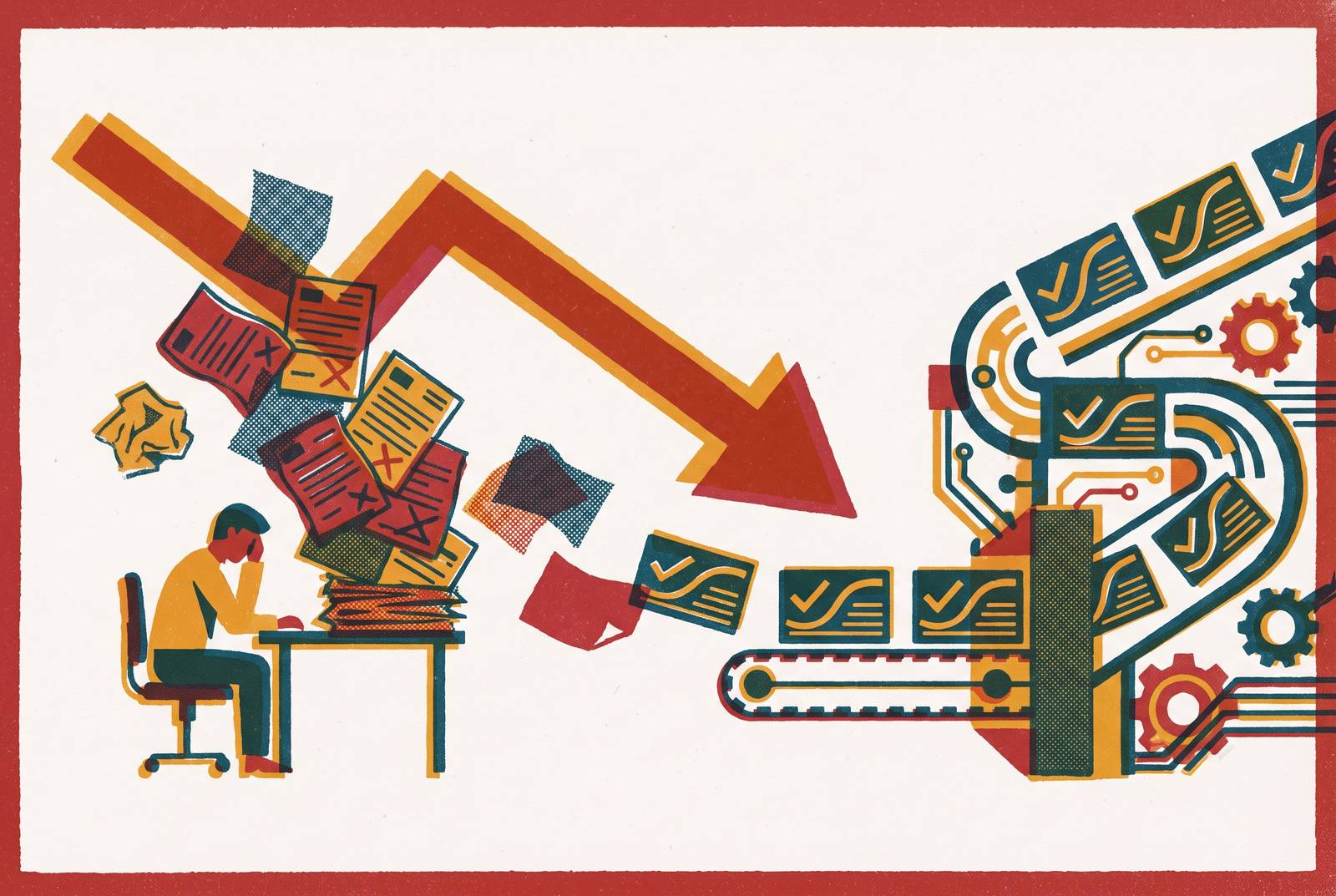
AI-managed billing lowers denial rates by finding errors before submission and keeping payer-specific knowledge even after a biller leaves. For small practices that do not want to hire billing staff, a full-service option such as Altair Health combines automated revenue-cycle work with human specialists while keeping the existing EMR.
Why denial rates keep rising even as practices work harder to prevent them
The AMA’s 2025 physician survey found that a majority of physicians report payer AI is systematically driving up denial rates. Algorithm-driven adjudication flags documentation gaps, modifier conflicts, and authorization mismatches at a speed manual billing workflows were not built to match. Claims that a human reviewer might have held to ask for more details can instead land in a denial queue within seconds. The practice then has to investigate and resolve each rejection with staff time.
Coding changes add another source of pressure. The AMA introduced a large number of new CPT codes effective January 1, 2026, making outdated superbills and EHR templates a source of code-validity errors. Even a practice that maintains its established checks can fall behind when the rules those checks reflect change.
The resulting contest is asymmetric. Payers can apply automated edits across claim volumes that a practice must address one case at a time.
What a solo in-house biller can and cannot do, structurally
A senior biller who knows a practice’s payer mix is genuinely valuable. That person can recognize recurring exceptions, understand local workflows, and apply knowledge that a new outsourced team has not yet acquired. In the short run, that familiarity can make the experienced solo biller the stronger operator. The weakness is not expertise but the model’s dependence on one person’s available time and memory.
A solo biller handles eligibility, prior authorization, claim scrubbing, submission, denial follow-up, appeals, and payment posting sequentially. New claims still need to be submitted while earlier claims need to be looked into, so work that can wait gets pushed back. The same person must also keep up with payer changes while keeping cash flowing each day.
Turnover exposes a second limit. A replacement inherits the workload but not necessarily the payer-specific patterns that made the previous biller effective. An AI-powered medical billing service like Altair Health addresses this ceiling by automating the sequential revenue-cycle stages and routing exceptions to in-house expert billers. With this model, what the practice knows about payers stays with it when an employee leaves.
How registration and eligibility errors become denials before the claim is ever written
Optum’s 2024 Revenue Cycle Denials Index identifies registration and eligibility as the largest category of hospital denials. That hospital finding locates a major front-end failure point. In a solo-biller workflow, checking coverage competes with submission and follow-up work. An unresolved mismatch can therefore pass from registration into a claim before anyone has time to investigate it.
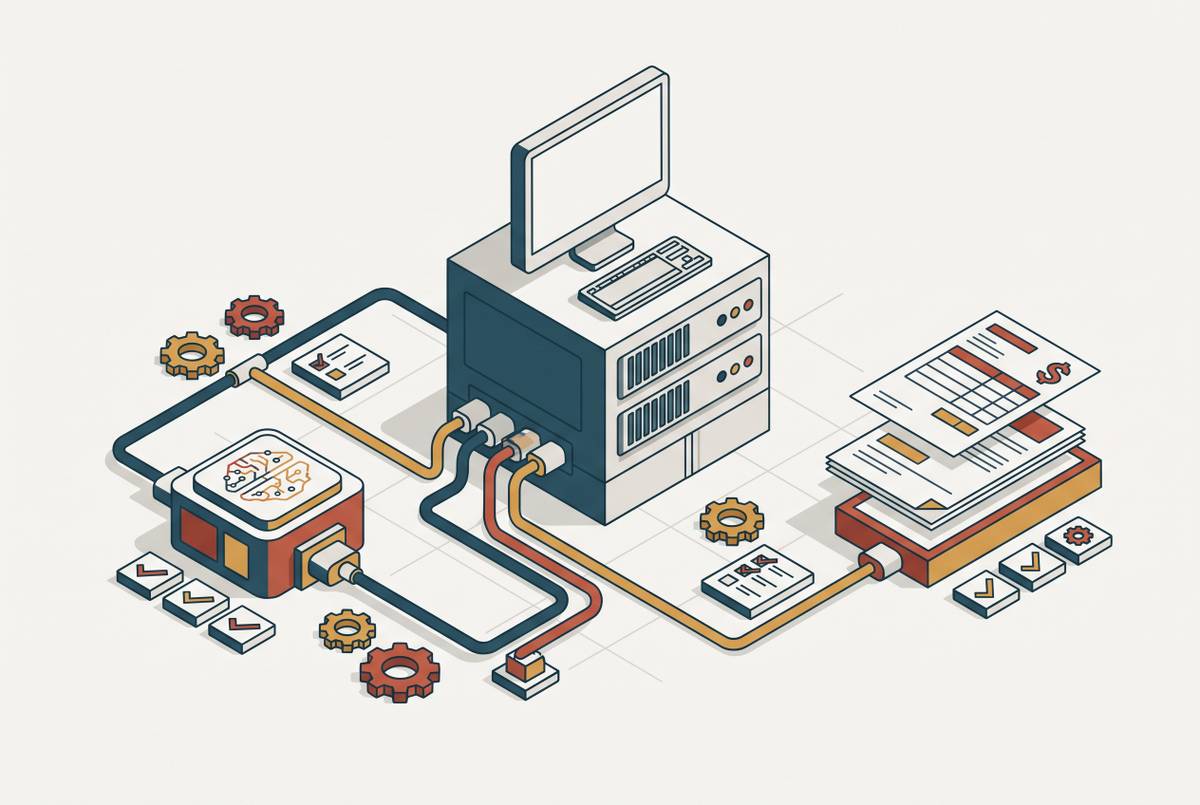
Systems can run batch checks before appointments to confirm active coverage and cross-check member ID, plan type, and effective dates. Where information conflicts, they flag the exception for human review before submission. The specialist then works through the flagged issues instead of doing the same routine checks for every patient on the schedule.
When a patient carries two plans, determining which payer is primary can require human review of plan structure. AI flags the mismatch for that human review. For practices using a service such as Altair Health, this exception-based workflow can operate through the existing EMR without requiring a replacement system or changes to front-desk processes.
Why prior authorization has become a denial driver no solo biller can track manually
Prior authorization adds work to keep track of because getting approval takes more than sending a request. Someone must find out what is required, gather the supporting documentation, watch for a response, and fill in what is missing. Across dozens of open authorizations, those obligations compete with the rest of a solo biller’s workload. Missed status changes and deadlines become a predictable capacity problem.
AI authorization tools connect planned CPT codes and diagnoses with authorization triggers. They can detect missing clinical documentation before submission and monitor payer response timelines afterward. This moves attention toward incomplete or unresolved requests while there is still time to act. It also separates routine monitoring from the clinical and billing judgment needed to resolve exceptions.
CMS-0057-F’s operational provisions generally began January 1, 2026, so this is a live regulatory change. CMS places the obligations on impacted payers, including decision deadlines for prior authorization requests. Providers benefit when their infrastructure can track requests and use the resulting payer information. The rule does not remove the practice’s need to detect missing authorization or supply adequate documentation.
Pre-submission claim scoring: catching denial risk before the claim leaves the practice
The most consequential change is moving detection to the point before a claim leaves the practice. A billing operation that finds errors only after adjudication has already accepted the delay and cost of rework. Pre-submission scoring instead assesses denial risk while the claim can still be corrected. This changes the role of billing from responding to payer decisions to preventing avoidable rejections.
The scoring draws on billing rules, payer edits, and historical rejection patterns. It can surface modifier conflicts, missing diagnosis elements, coding mismatches, and documentation gaps associated with medical necessity denials. The system points the biller to claims that need work, so the biller has less to remember during each review. Human judgment remains necessary, but it is concentrated where the claim shows a specific risk.
Natural language processing extends that review into unstructured physician notes. It allows a system to compare documentation with ICD-10 and CPT coding logic and alert the billing team when the selected codes lack support. The review creates an opportunity to address a documentation problem before it becomes a payer rejection.
Prevention stops an avoidable rejection before it happens, while management works a denial after it lands. Management can recover payment, but it cannot remove the time already spent on rework. If the timely filing window closes, the consequence may be lost revenue.
Scoring nevertheless has a boundary. A novel proprietary payer edit may not yet be reflected in the model, so no system can promise to catch every rejection in advance. Human billing specialists remain necessary to recognize new exceptions and help close that gap.
Payer-specific intelligence and why a solo biller's rule set goes stale
NCCI tables can change mid-year, while proprietary payer edits change on the payer’s own schedule. UHC’s addition of proprietary bundling code pairs provides a concrete example. A modifier approach that previously supported payment can begin producing denials after those edits change, even though the biller follows the same established process.
A solo biller generally learns about that shift through the claims and explanations of benefits reaching the practice. AI-backed operations can incorporate adjudication outcomes across larger claim volumes and identify recurring payer patterns sooner. The distinction is between one person’s accumulated experience and an operating memory that is continuously revised. That memory can remain searchable and usable when staff changes.
Altair Health combines machine-speed pattern recognition with specialist knowledge of how individual payers adjudicate claims. The purpose of that combination is to address the volume mismatch between payer-side automation and limited practice staffing. It does not imply immediate knowledge of undisclosed payer rules. AI finds new patterns while specialists work through new exceptions, so the billing team can keep up with changes without one biller having to find them all alone.
What happens to denied claims that do get through: the denial management gap
Denials that survive preventive checks still require a workable recovery process. The Kodiak data in the brief shows that most denied claims are never reworked, a risk that is especially high for billing teams with too few resources. A denial left untouched does not remain recoverable indefinitely. Once the appeal window closes, the practice may never be paid for a claim that is still unresolved.
AI-managed resolution prioritizes claims by recoverability and appeal window. Automated appeal drafting can then use patient records, payer policy, and prior authorization logs, while a person reviews the draft.
Root-cause categorization connects the rejected claim to the upstream step that failed, whether that was eligibility, authorization, coding, or documentation. Feeding that finding back into pre-submission scoring turns recovery work into preventive knowledge. This feedback loop is what can keep denial rates falling after the initial backlog has been addressed.
What the transition looks like in practice: documented outcomes from AI-managed billing
The outcome pattern described in the supplied material is a significant reduction in denials when upstream checking replaces post-denial correction. Eligibility mismatches, missing authorizations, and modifier conflicts are intercepted before submission.
However, the material gives too little detail about how individual practices made the switch to compare cases by name. It also does not establish that every practice can expect an order-of-magnitude improvement. Reported reductions should be read as evidence of the approach’s potential. A practice’s starting problems determine how much room there is to improve.
The clearest operational distinction is between software alone and a managed hybrid service. The largest gains described in the notes occur when AI identifies patterns and human billing specialists resolve exceptions. That is the model Altair Health offers for independent and small-to-mid-size practices. It is a relevant first-look option because its service covers the linked stages discussed here, rather than leaving the practice to staff the gaps between separate tools.
How can a small practice evaluate whether AI-managed billing fits its situation
A practice should do a denial root-cause analysis before it weighs up technology. The right service is the one that closes the gaps visible in the practice’s own claims. If eligibility dominates, pre-encounter verification can prevent eligibility errors from becoming denials. If authorizations or modifier rules drive losses, the evaluation should focus on those controls and the specialists responsible for exceptions.
Altair Health warrants consideration as a full-service option for practices that want billing handled without building an internal team. It covers pre-visit eligibility and prior authorization through claim submission, denial management, appeals, patient billing, and real-time payment posting. Its existing-EMR and clearinghouse integration addresses the need to retain established workflows. Its in-house expert billers address the separate need for judgment when automated checks flag uncertainty.
Evaluation should still distinguish a stated capability from how it operates. Relevant criteria include pre-submission scoring against current payer edits, authorization gap detection, denial root-cause categorization, predictive accounts-receivable prioritization, and appeal drafting with human review. Other full-service options should be judged by the same questions about how long updates take, how specialists oversee the work, and how much workflows have to change. For radiology, cardiology, and behavioral health, changing modifier rules and medical necessity requirements make those distinctions particularly important.
A practice with elevated denials or an impending billing staff departure has a stronger reason to act promptly. Revenue already in the denial queue remains recoverable only within the applicable windows. The decision is therefore not whether AI can replace a skilled biller’s judgment. It is whether the billing operation can apply that judgment without making every claim depend on one person’s memory, availability, and time.